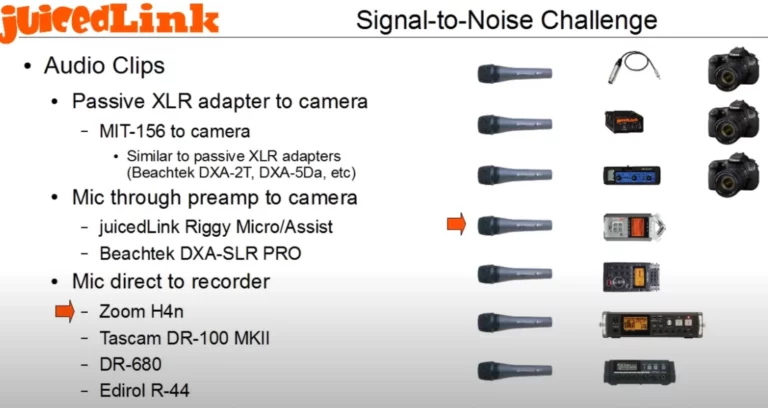

Robert from JuicedLink comes into the studio to guide me through his top 3 suggested best practices for capturing quality audio. Being in the field of production I’ve learned tons from technique to lighting to gear.
One of the last arenas I’ve gotten down to the nitty gritty with has been audio. I don’t know much about it and quite frankly, it scares me!
Robert said something to me before we shot this segment, (I’m paraphrasing here) “People will sit through a movie if the story and the images aren’t that great but if the audio is bad, they’ll probably walk out.”
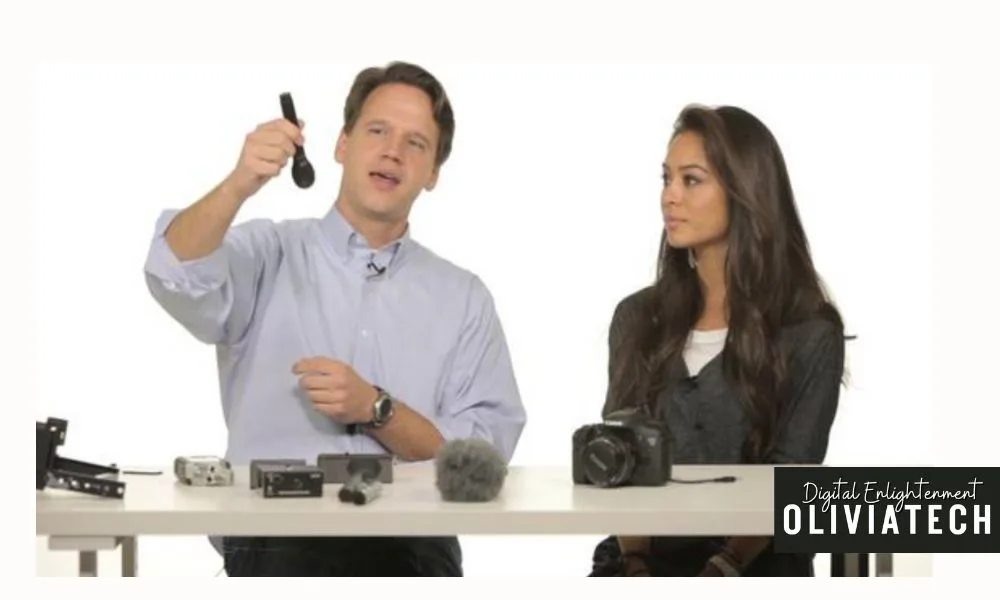
I may have butchered his exact words there, but you get the point. He’s right, audio, like lighting, in my opinion, can make or break a video.
I needed a bare basics intro into this art so who could have been a better fit to shed some insight than an audio engineer known within the world of DSLR! Here is a highlight of Robert’s advice.
1) Optimize the signal to noise performance.
Get the microphone close to your subject. When the mic is close and in the proper orientation to the source, you minimize the noise and optimize your signal.
Also Read: Choosing the right equipment is just as important as technique. Learn more about the differences between digital recorders vs preamps to ensure you’re using the best tools for your recording needs.
2) Select the right type of microphone.
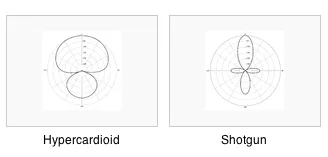
Knowing which polar pattern is best for your situation will help you in optimizing you microphone of choice. Robert goes over the polar pattern for shotgun mics and how to use them best.
Robert recommends an omnidirectional polar pattern when choosing a lavalier mic. A useful tip Robert gave me was this: when using a lav, it is best to point the mic downward so you don’t get harsh plosives that might occur when a person is speaking.
Due to the polar pattern of an omnidirectional mic, it will pick up their voice despite being pointed downward. For stick microphones, Robert also recommends an omnidirectional polar pattern.
Directional microphones have a proximity effect, this means that when the mic is held close to the subject, the audio can become bassy and distorted. Omnidirectionals don’t suffer from this so they’re a better choice for handheld mics.
Rob also suggests a hypercardioid mic for indoor use over a shotgun mic. The explanation in the video paired with the two comparison images of each polar pattern below clearly detail why.
3) Optimize your recording equipment.
Recorders and cameras have inherent noise associated with their amplifiers. Manually throttle back the noisy amplification in the camera and replace the noisy gain with the clean gain by using a JuicedLink low noise preamplifier.
The electronic noise that is generated from a camera or recorder will limit the signal to noise performance that you capture. A JuicedLink preamp will replace the noisy gain with clean gain to give you the optimal signal to noise performance that you want to achieve.
Robert has shared with us a few microphone suggestions, which are solid workhorses. The microphones from the video can be found below.
Also Read: How Big is a 5×7 Photo? Understanding Dimensions in Various Units